
Seminars
14 - 15 May 2026
SMU Li Ka Shing Library
Seminars
14th May 2026
Seminar 1: Academic Literature Review in the Age of AI and Large Language Models
The landscape of academic research is experiencing substantial transformations, due to the introduction of open data and advancements in AI (specifically natural language processing). These developments have given rise to a new array of tools for conducting literature reviews that extend beyond traditional academic search methods. This presentation aims to provide practical insights into leveraging these emerging tools for literature review.
The discussion will focus on AI-enhanced search engines like Scopus AI, Elicit, Scispace, Scite.ai assistant, Perplexity.ai, Consensus, Undermind and more. These search engines integrate Transformer based Large Language Models which are used to enhance query understanding, generate direct answers to questions with citations and extract study details to create a research matrix of studies. Newer agent-based approaches are also being adopted with tools like Undermind.ai, OpenAI’s Deep Research, AI2 Paperfinder & Scholar QA (now known as Asta), emerging producing both higher quality retrieval results and long form reports but at the cost of much slower response times.
We will provide an overview of the latest cutting-edge developments in these areas, the strengths and weakness of such tools and how it affects the way you might go about doing your literature review from the selection of such tools to the way you input your queries.
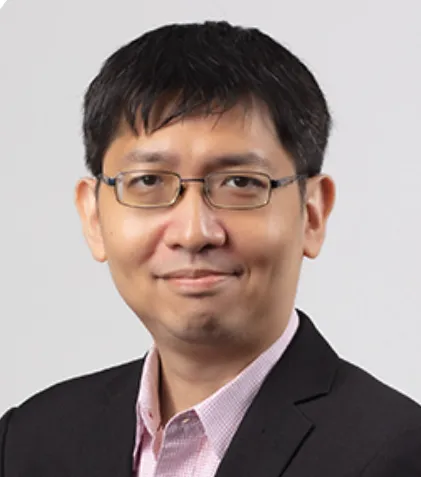
Aaron TAY
Head, Data Services
SMU Libraries
Seminar 2: Streamlined Workflow for Qualitative Data Analysis with Whisper and ATLAS.ti
Qualitative research, often reliant on interviews and focus groups, stands to benefit significantly from the latest advancements and innovations in AI. This session presents a practical and efficient research workflow with two powerful tools—Whisper and ATLAS.ti—to streamline the process of qualitative data analysis.
Automated transcription, powered by advanced deep learning models such as OpenAI's Whisper, Google's Gemini, and other similar methods, plays a crucial role. With the ability to achieve high accuracy in speech recognition, these technologies significantly reduce the time and effort required for manual transcribing, freeing up your time for more valuable analytical work.
Moving beyond transcription, the session presents ATLAS.ti, a well-established qualitative data analysis tool. We demonstrate how to code data, extract insights, create visualizations, and explore the tool's latest AI features.
Join us to discover the new tools to improve your qualitative research workflow.
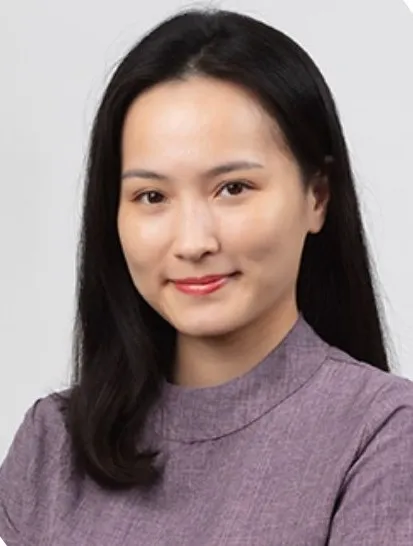
Bella RATMELIA
Senior Librarian, Research & Data Services
SMU Libraries

15th May 2026
Seminar 3: Getting Published and Enhancing Research Visibility with Visual Abstracts
Planning to publish your research? This session covers essential strategies to navigate the publishing process, prepare your submissions and boost your research visibility after publication.· Optimize your title and abstract for discoverability.
- Navigate the publishing workflow, including submission, peer review, and revision stages
- Enhance your research impact with visual abstracts and effective outreach strategies
This session is ideal for early-career researchers or those new to academic publishing, offering practical insights to help you understand the publishing process and maximize the reach and impact of your research.

YEO Pin Pin
Head, Research Services
SMU Libraries
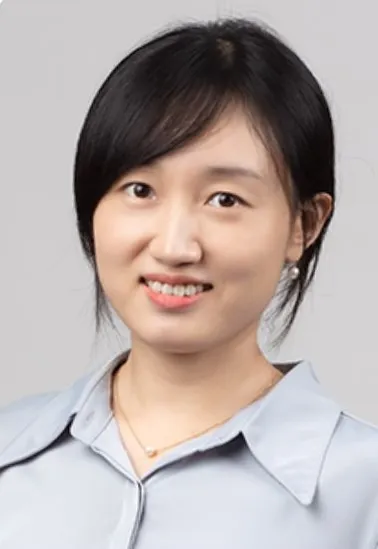
DONG Danping
Senior Librarian, Research Services
SMU Libraries
Seminar 4: Text Analysis for PhD Research: An Introduction to No-Code and Code-Light Tools
This session offers a practical introduction to text analysis using beginner-friendly tools to help you extract meanings and uncover patterns in your text data.
- Explore text patterns with Voyant and TALL, via interactive visualizations to help identify key themes in textual data—no coding required.
- Extract nuanced themes using BERTopic, a Python-based tool for AI-powered topic modelling - suitable for researchers comfortable with light coding.
Designed for researchers new to text analysis or hesitant about coding, this session emphasizes practical workflows over technical jargon. Leave with an introduction to free tools and inspiration to apply these methods into your own research.
Aaron TAY
Head, Data Services
SMU Libraries
Seminar 5: Strategic Publishing and Critical AI Use for Research Impact
Researchers today face growing pressure to make publishing decisions that directly affect the visibility and long-term impact of their work. The expanding mix of open access options, traditional models, and AI driven research tools can feel overwhelming to navigate. This session supports researchers by clarifying publishing pathways and helping them select journals that align with their goals and academic identity. It also builds critical AI literacy by assessing accuracy, recognising bias, questioning assumptions to ensure responsible, high integrity research and stronger global impact.
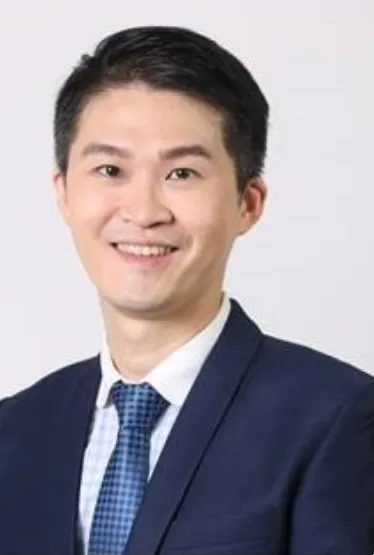
Dr Lim Khee Hiang
Senior Manager for Partner Success & Customer Relations
Sage Publishing (Singapore Rising Scholars Conference Sponsorship Partner)